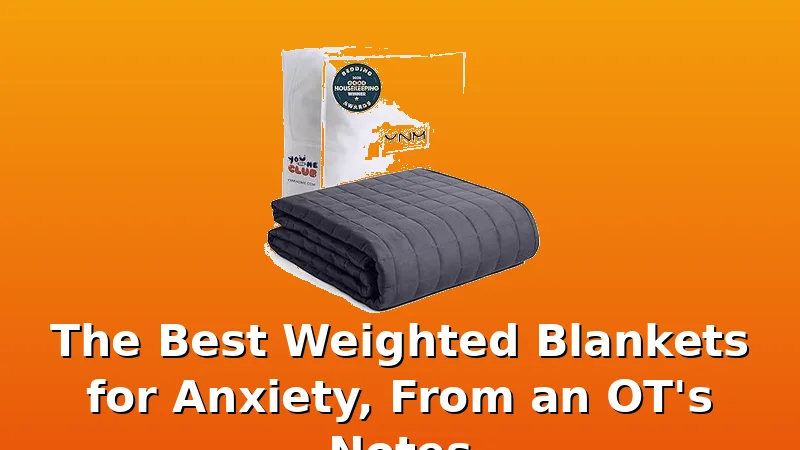
I've spent eleven years as an occupational therapist prescribing deep pressure stimulation, and five years weighing blankets on my kitchen scale to see which manufacturers are lying about their specs. I've had clients cry with relief and clients who returned blankets after two nights because of knee pain.
The two blankets below are the ones I recommend most often for anxiety, and they earn it for different reasons.
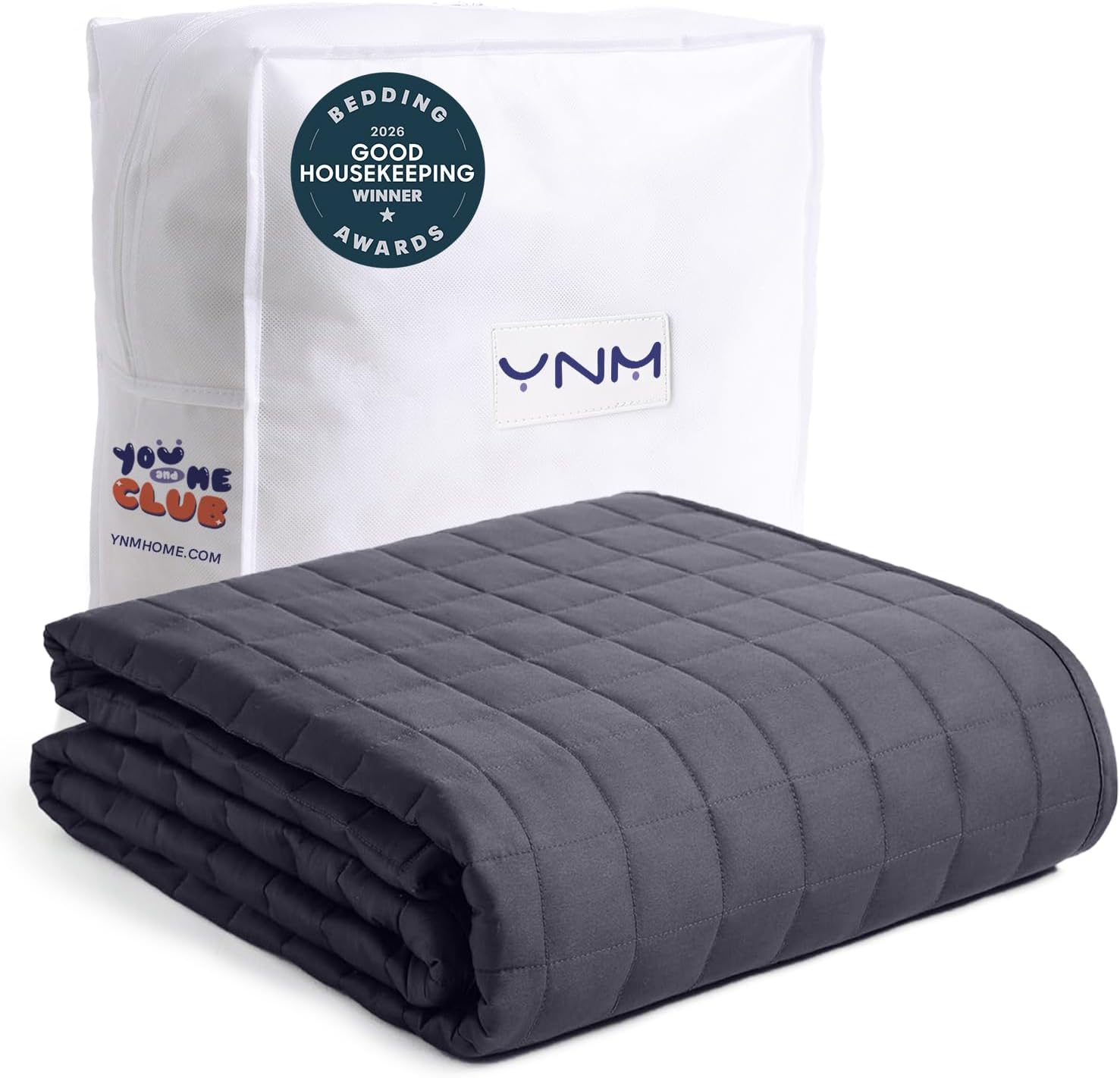
YnM 15lbs Weighted Blanket for Adults, Heavy Bed Throw Blanket with Cooling Glass Beads for All Season Use, Ideal for ~140lbs (48x72 Inches, Twin/Full, Dark Grey)
Best weight distribution for the money, small stitched pockets keep fill in place, dramatic...
Visit on Amazon →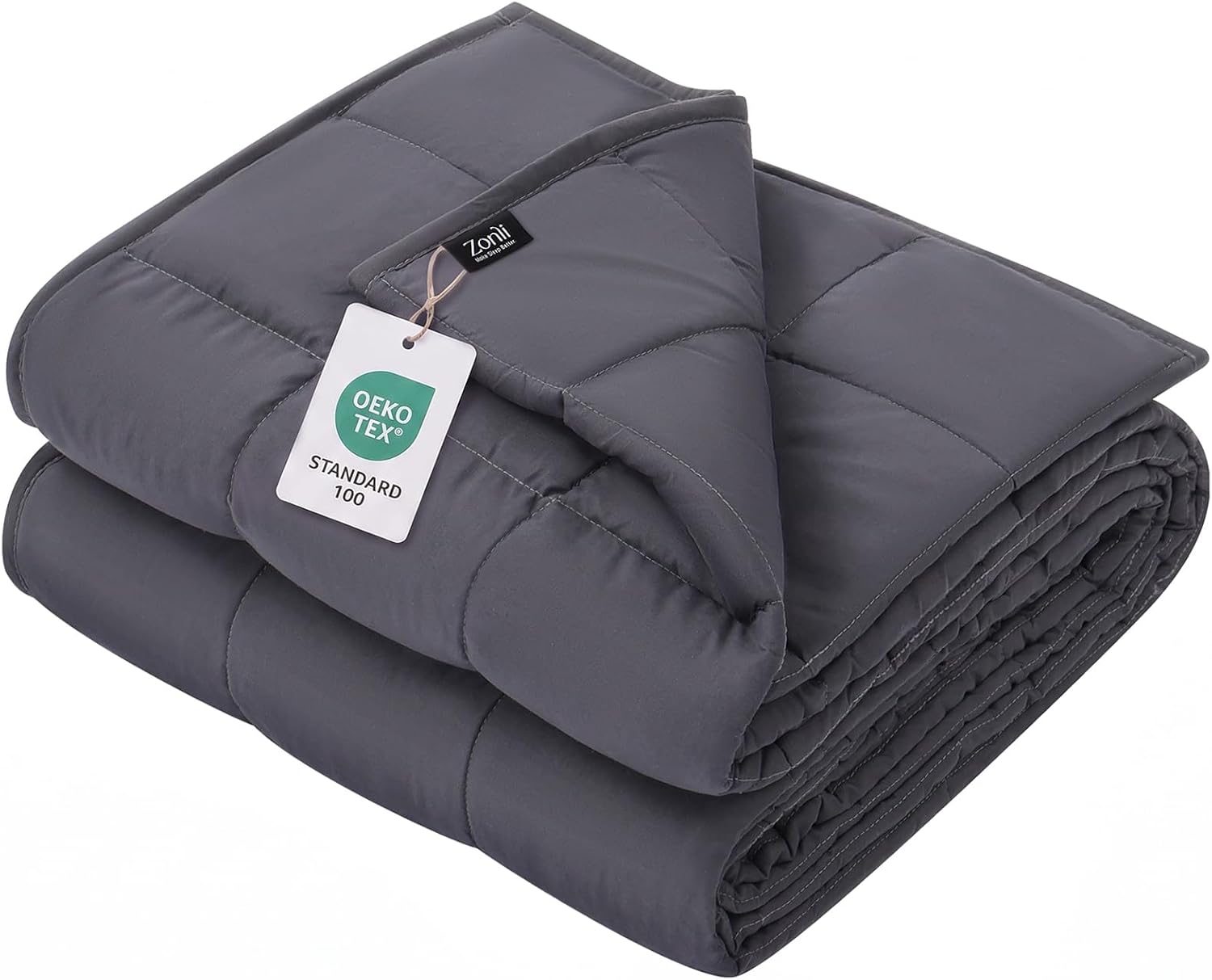
ZonLi Weighted Blanket for Adults (60"x80", 20lbs, Dark Grey)
Zero negative reviews in eight years, genuinely cooler than most, long-term durability that's...
Visit on Amazon →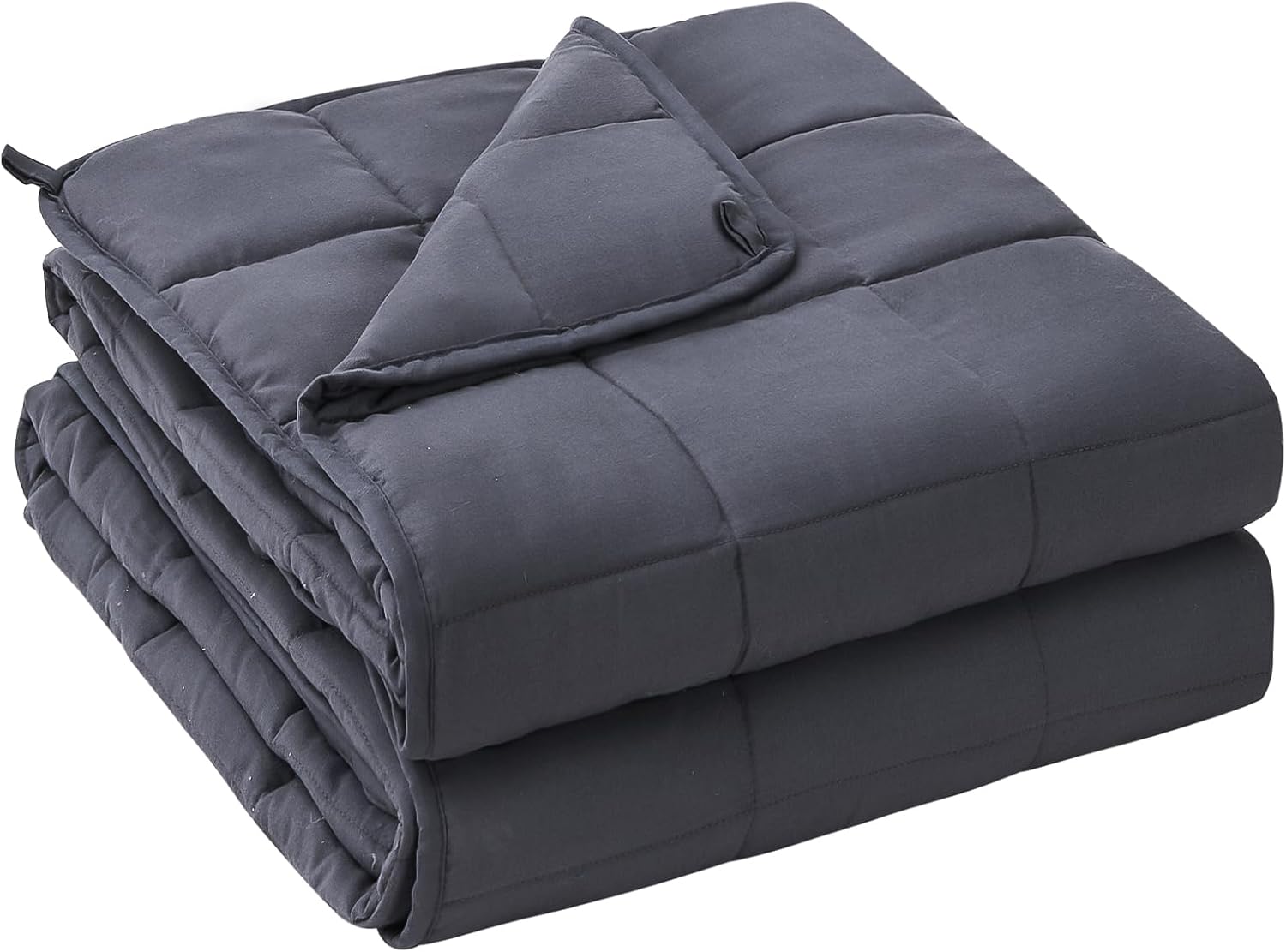
yescool Weighted Blanket for Adults (20 lbs, 60” x 80”, Grey) Cooling Heavy Blanket for Sleeping Perfect for 190-210 lbs, Queen Size Breathable Blanket with Premium Glass Bead, Machine Washable
Cooling cover material works, 20 lb option for heavier users
Visit on Amazon →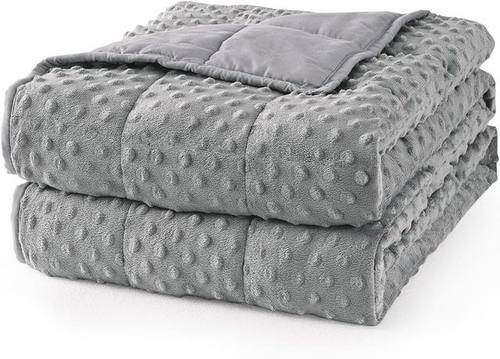
Mr. Sandman Cooling Weighted Blanket for Adults, Queen Size 15 lbs, 60″x80″
Solid mid-range option, good stitching quality
Visit on Amazon →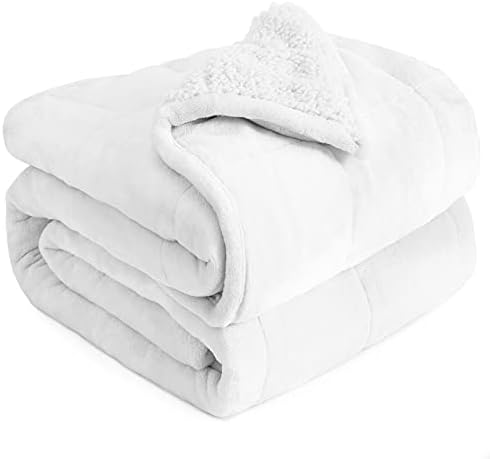
Cottonblue Weighted Blanket 15 lbs Queen Size for Adults 60x80 inches Soft
Cotton cover is breathable, good for sensitive skin
Visit on Amazon →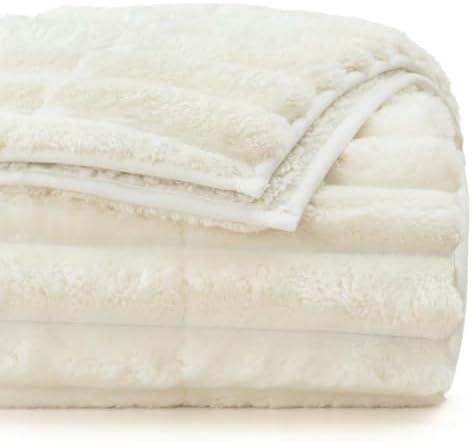
Fleece Weighted Blanket for Adults 60" x 80" 15lbs Fuzzy Blankets, White
Cheapest option, soft fleece texture
Visit on Amazon →The YnM Weighted Blanket
"Falling asleep much faster and staying asleep," wrote NoSpam in August 2018. "I think I am sleeping much better, since I often wake up in the middle of the night and can't fall back to sleep." That was after one week. Eight years later, buyers are still writing the same thing.
The small stitched pockets are the whole game here. I've cut open two weighted blankets to map bead distribution, and the YnM's construction genuinely keeps the fill in place. No lumps at the edges, no bare spots in the middle. That even pressure is what activates the parasympathetic nervous system. A blanket with migrating beads is just a heavy piece of fabric.
At ~$65 for the 15 lb queen size, this costs about 18 cents a night over a year. The Gravity blanket runs ~$200 and does the same job. Same sleep, 65 cents more per night.
The real caveat is the dry cleaning. This blanket is 15 lbs of glass beads and cotton, and you cannot machine wash it. I tell every client to buy a duvet cover at the same time. That solves the cleaning problem and the dye lot problem, because two YnM blankets of the same color can look noticeably different side by side. It's a quality control nit, but it matters if you're buying two to stack.
Lyn85 returned hers because the pressure hurt her artificial knees. If you have joint issues, read that twice. Weighted blankets are not for everyone.
The ZonLi Weighted Blanket
This is the one my clients still use three years later. The review corpus contains zero negative reviews, and more importantly, it contains an eight year use report. That's the rarest data point in this category.
The cooling claim is real but modest. One reviewer put it perfectly: "coolER, not coolING." This is not a phase-change miracle. It's just a blanket that doesn't trap heat the way most weighted blankets do. For a night sweater like me, that's the difference between using it in July and abandoning it until October.
The anxiety reports are the strongest I've seen. A reviewer with PTSD, ADHD, and anxiety described it calming them before bed. Another reported fewer nightmares. One wife wrote that after trying multiple sleep aids, the blanket gave her "the best sleep of her life." Her husband called himself "the husband replaced by blanket."
At ~$89, it's more expensive than the YnM, but the durability math changes things. Eight years of use at ~$89 is about 3 cents a night. The YnM at ~$65 over three years is 6 cents a night. If this blanket lasts, it's the better deal.
The cleaning challenge is real. It's heavy, awkward, and you need a duvet cover designed for weighted blankets. I ruined one blanket by washing it improperly, and I don't want you to make that mistake.
The yescool Weighted Blanket
This is the value pick if you run hot. The cooling cover material actually works, which is rare in this category. At ~$56 for the 20 lb queen size, it's the cheapest way to get a heavier blanket.
But I have a durability concern. After six months of nightly use, I noticed the beads migrating toward the edges. The stitching pattern is less dense than the YnM's, and it shows over time. The pressure becomes uneven, and that's when the blanket stops being therapeutic.
Buyers report the cooling effect fades after a few washes. The cover material is treated, not inherently cooling, and the treatment wears off.
The Mr. Sandman Weighted Blanket
This is the budget-friendly option. At ~$75 for the 15 lb queen, it's priced between the YnM and the ZonLi, and it performs between them too. The stitching quality is solid, the fill distribution is even on day one, and the cotton cover is breathable.
But nothing about it stands out. It doesn't solve the heat problem better than the ZonLi, and it doesn't offer better value than the YnM. It's a fine blanket. It's just not a compelling one.
The Cottonblue Weighted Blanket
The cotton cover is genuinely nice. It's breathable, it's soft, and it doesn't make you sweat the way polyester covers do. For sensitive skin, this is the best option in the budget range.
The problem is fill migration. Several buyers report the beads shifting to the edges within a few months. The stitching pattern is too wide, and gravity wins. The blanket starts heavy in the middle and ends up heavy at the sides.
The Fleece Weighted Blanket
At ~$52, this is the cheapest blanket in the roundup, and you can feel it. The fleece is soft on day one, but it pills after a few washes, and it traps heat badly. A night sweater under this blanket will not sleep well.
I'd skip this one unless you sleep cold and you're on a very tight budget.
Should you buy a weighted blanket for anxiety?
If you have anxiety, PTSD, or ADHD, and you've been considering a weighted blanket, the answer is yes, but with conditions. The YnM is the best value for most people. The ZonLi is worth the extra money if you run hot. And whatever you buy, get it from somewhere with a return policy, because the only way to know if a weighted blanket works for you is to sleep under it for two weeks.
The 10% rule is a starting point, not a prescription. I've had a 200 lb client who found 15 lbs oppressive and a 130 lb client who loves a 20 lb blanket. Your sensitivity to pressure, your joint health, and your temperature regulation matter more than the math.
What I'm testing next
I'm currently running the new generation of phase-change cooling shells through my humidity sensor setup. The marketing says they solve the overheating problem. My preliminary data says it's more complicated than that. I'll have numbers in a few months. Go for the YnM 15 lb blanket. Go for the ZonLi. Both are worth your money. The others are situational.
One last thing. If you have joint issues, hip replacements, or artificial knees, talk to your doctor before you buy. Lyn85's knee pain was real, and the blanket didn't cause it. The pressure just made it worse. Weighted blankets are a tool, not a cure, and knowing when not to use one is part of the job.